
Get help now.
Discover new ways to leave the past behind and elevate your quality of life.
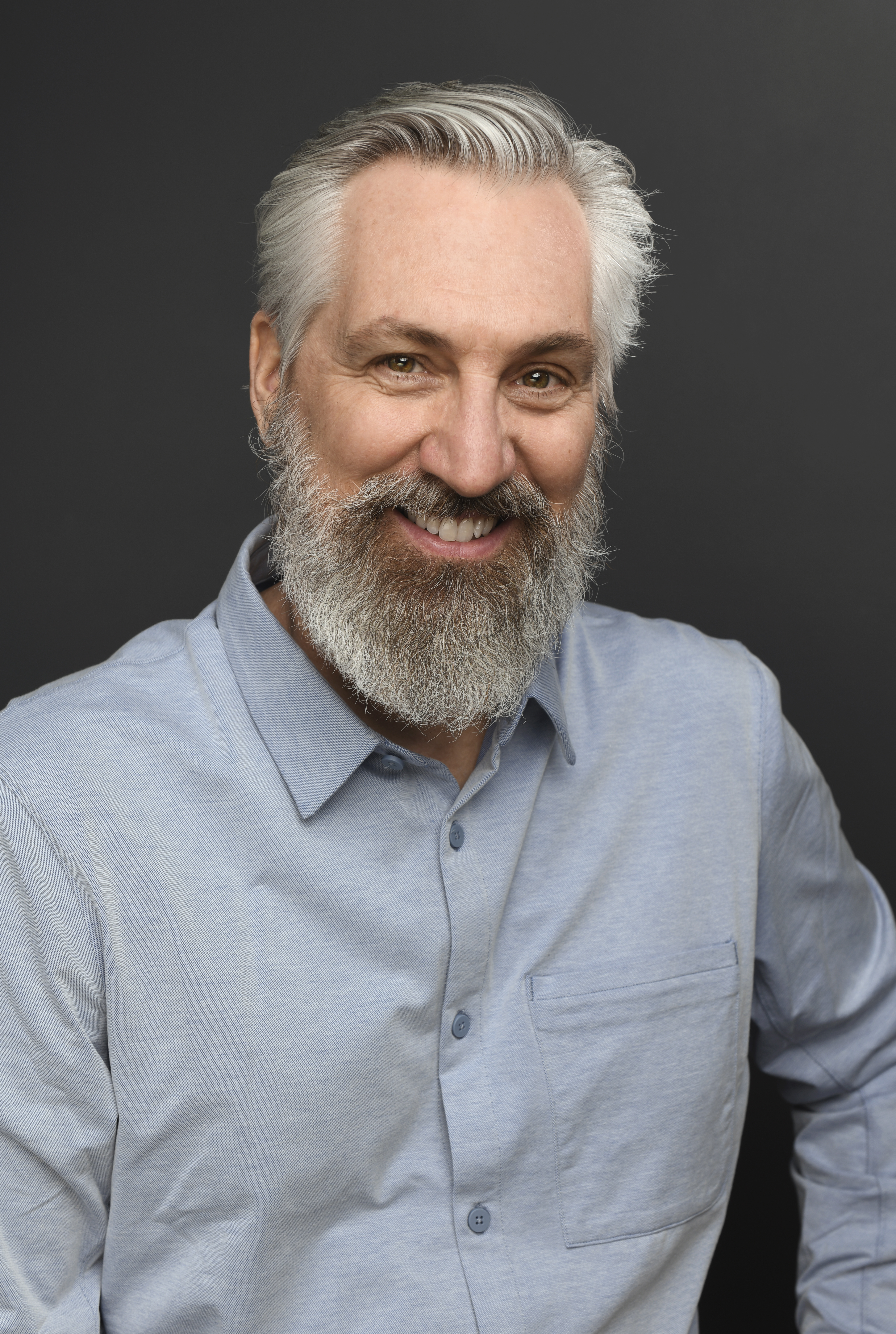
Shalonda Edwards, MSW, LICSW, supervises me, and I am proud to be part of her agency, Restorative Health & Wellness.
For a consultation please email: admin@healingwithrhw.com

My Approach
My approach is integrative and interdisciplinary, offering tools to down-regulate your mind & body, helping you navigate decision paralysis and feelings of being stuck, while shifting unwanted behaviors to experience a more fully alive present.
I maintain a person-centered approach. You are the expert in your own life. Together, we will develop the best strategies to support your goals.
Furthermore, my practice is distinctly rooted in research-driven, evidence-based, client-driven, and embodied practices.

My Core Values
As a social worker, I believe in and adhere to the core values of service, social justice, the dignity and worth of the person, the importance of human relationships, integrity, and competence as set forth by the National Association of Social Workers (NASW).

Accepted Insurance
BCBS MA
HNE
Optum products (United, UMH, Harvard Pilgrim, Unicare)
Diversified Group Brokerage
MBHP
Beacon
Optum
Wellpoint
Careleon
Most Masshealth Products

Pricing Structure
Restorative Health and Wellness Professional Counseling Services bills at a rate range of $150.00-$175.00.
About Stephan
Brief Background About Me
In the 1990s, I left a career in the military for a life in the theatre after seeing Shakespeare’s Richard III. I received my Master of Fine Arts (MFA) from Trinity Rep Conservatory/Rhode Island College and became an award-winning actor and writer with credits from Broadway to international acclaim. Over the last three decades, I co-created DE-CRUIT® www.decruit.org, a program to mitigate trauma symptoms through Shakespeare & Science, for which I have co-published nearly twenty research articles, contributed five chapters to books in art and science, and has received multiple awards, including the American Group Psychotherapy Association’s Aaron Stein Award and the Max Gabriel Award from the National Alliance for Mental Illness (NAMI).
Image to the right: a photo of my award-winning solo-show Cry Havoc! photo by Kenny Yoo at Feast of Crispian

It can be difficult to ask for help.
An important step in getting “unstuck” from the past is asking for help. Below are a few frequently asked questions to see if we’re a good fit for your healing journey.
HOW LONG DOES EACH SESSION TAKE AND HOW OFTEN WILL I NEED IT?
Individual sessions last for 50 minutes.
I recommend starting with one session per week. We will explore both best practices and what works best for you. Some clients need two sessions per week during more challenging times, while others may only require one session per month for mental health maintenance during less demanding periods.
I am available for both short and long-term psychotherapy.
WHAT HAPPENS IN A SESSION?
A core principle of my work is that trauma and childhood maltreatment, neglect, and abuse trap survivors in a cycle of re-experiencing past traumas, which are stored in their bodies. Therefore, these traumas must be released from the body for post-traumatic growth and recovery to occur. This approach aligns with empirically supported relaxation and breathing techniques used in trauma interventions. The physiological down-regulation of the autonomic nervous system, or therapeutic embodiment, is considered essential in the healing process for individuals who have experienced trauma.
WHAT IS RESTORATIVE HEALTH & WELLNESS
Restorative Health and Wellness is a holistic mental health group practice dedicated to the health and well-being of Black and Brown people and people who have historically been marginalized.
Restorative Health and Wellness recognizes that the choice to focus on one’s health has to do with not any individual faults but the stress society exerts on us all.
Media
To Book Your Free Consultation, click Here
Below are links to watch, listen, or read interviews about my work and the team at DE-CRUIT.
Here are a few links to articles and interviews about my work.
I have been featured by such top-tier writers and podcasters as New York Times, Psychotherapy Networker, Inverse magazine, MAD in America, Folger Shakespeare Library, and the National Endowment for the Arts (NEA).
Updated: Feb. 20, 2024
New York Times
Folger Shakespeare Library

Interviewed by Barbara Bogaev
September 5, 2017
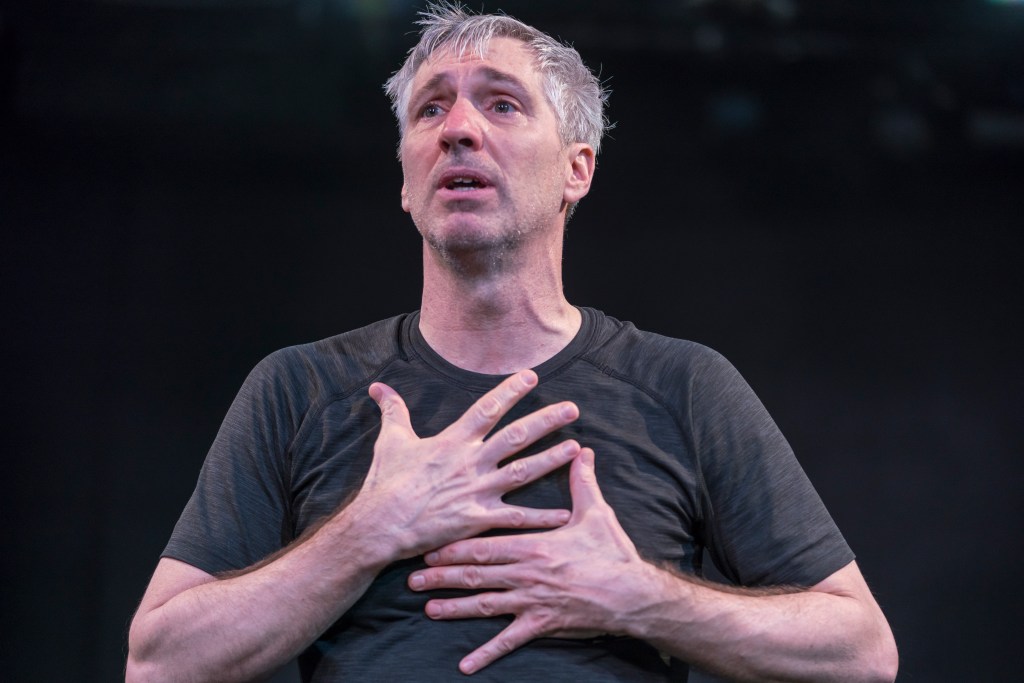
CRY HAVOC!
written and performed by Stephan Wolfert
Content Warning: The show is 75 minutes long and contains depictions of war, violence and strong language. It also contains humor, vulnerability, Shakespeare and hope.
(Photo by Ashley Garrett)
National Public Radio

Air Date: November 5, 2021
Nichole Currie reports on a program that taps into verse for healing trauma
Trauma Research Foundation

My nonprofit, DE-CRUIT, is a Trauma Research Foundation (TRF) Therapeutic Alliance Member
My work is also a part of TRF’s Traumatic Stress Studies Certificate Program.
Evidence of my approach
Scholarly Publications on my approach

1. Ali, A., & Wolfert, S. Treating trauma through the imagination: Therapeutic effects of simulation and mimetic induction. In L. Green (Ed.), Mutual Aid, Peer Support, and Other Radical Models of Mental Health. North Atlantic Books.
2. Ali, A., & Wolfert, S. (2016). Theatre as a treatment for posttraumatic stress in military veterans: Exploring the psychotherapeutic potential of mimetic induction. The Arts in Psychotherapy, 50, 58-65.
3. Ali, A., Wolfert, S., McGovern, J., Aharoni, A., & Nguyen, J. (2018). A trauma-informed analysis of monologues constructed by military veterans in a theatre-based treatment program. Qualitative Research in Psychology, DOI: 10.1080/14780887.2018.1442704.
4. Ali., A., Wolfert, S., & Homer, B. D. From victimization to empowerment: Using communalized narration to address military sexual trauma. Presented at the Annual Meeting of the Association for Women in Psychology, Philadelphia, PA, Mar 8-11, 2018.
5. Ali, A., Wolfert,. S., Lam, I., & Rahman, T. (2018). Intersecting modes of aesthetic distance and mimetic induction in therapeutic process: Examining a theatre-based treatment for military-related traumatic stress. Drama Therapy Review, 4(2), 153-165.
6. McGovern, J. E., Ali, A., Wolfert, S. & Nguyen, J. (2017). Examining process and outcome in the experiences of military veterans in a theatre-based trauma treatment program. Presented in the 2017 Annual Applied Psychology Research Day Conference, New York, NY.
7. Wolfert, S., & Ali, A. (2018). Re-humanization through communalized narrative for military veterans. In N. Way, A. Ali, C. Gilligan, & P. Noguera (Eds.), The Crisis of Connection: Its Roots, Strategies, and Solutions. New York: New York University Press.
8. Ali, A., Wolfert, S., & Homer, B. D. (2019). In the service of science: Veteran-led research in the investigation of a theatre-based PTSD treatment. Journal of Humanistic Psychology, 1-19.
9. Ali, A., Wolfert,. S., Lam, I., Fahmy, P., & Chaudry, A. (2018). Psychotherapeutic processes in recovery from military and pre-military trauma in veterans: The effects of theatre as a mental health treatment. Journal of Applied Arts and Health.
10. Ali, A., Wolfert, S., Smith, R., & Healy, J. Soldiers’ stories: Themes of collective healing and recovery in a group treatment for trauma in military veterans. Paper presented at the Annual Qualitative Health Research Conference, Vancouver, Canada, Oct 25-29, 2019.

11. Haen, C., Ali, A., Thomas, N., & Wolfert. S. Rehumanization of military veterans through Shakespeare: A performance and discussion. Presented at the Annual Meeting of the American Group Psychotherapy Association, New York, NY, March 2-7, 2020.
12. . Ali, A., Wolfert, S., Fahmy, P., Nayyar, M., & Chaudhry, A. (2019). The therapeutic effects of imagination: Investigating mimetic induction and dramatic simulation in a trauma treatment for military veterans. The Arts in Psychotherapy.
13. Ali, A., Wolfert, S., Homer, B. D., & Pensavalle, C. (Abstract; in press). Building resilience in military veterans through communalized narration and camaraderie. Psychreg Journal of Psychology.
14. Ali, A., Wolfert, S., & Pensavalle, C. (in press). A theatre-based program for traumatic stress in military veterans. In K. Jones (Ed.) Performative Social Science. New York: Taylor & Francis.
15. Wolfert, S. Cry havoc: The madness of returning home from war. (in press). Cry Havoc. In B. Lewis, A. Ali, & J. Russell (Eds.). The Mad Studies Reader. New York: Routledge.
16. Ali, A., Wolfert, S., Lam, I., Fahmy, P., Chaudhry, A., & Healy, J. (2022). Treating the effects of military sexual trauma through a theatre-based program for Veterans. Women and Therapy, 25(1), 25-40.
17. Ali, A., Wolfert, S., Farnsworth, A., Rose, M., & Brodsky, J. Building resilience in military veterans through communalized narration and camaraderie. To be presented at the Veterans in Society Conference, Phoenix, AZ, Oct 20-21, 2022.
18. Pennacchia, M. (2019). Theatre Strikes Back in the Digital Era: An Interview with Stephan Wolfert. Multicultural Shakespeare: Translation, Appropriation and Performance, 20(35), 37–49. https://doi.org/10.18778/2083-8530.20.04
19. Jeffers, M., Ali, A., Wolfert, S., Farnsworth, A., & Thompson, S. Using theatre to treat the mental health effects of trauma: The DE-CRUIT military veterans’ program. Presented at the Annual Conference of the National Organization for Arts and Health (Virtual), October 4, 2023.
19. Ali, A., Jeffers, M., Wusinich, C., & Wolfert, S. Can we use a Mad Studies paradigm to address health inequalities affecting U.S. military veterans? Points of tension and intersection between two disparate disciplines. Journal of Public Mental Health, 2024.
20. Jeffers, M, Ali, A., & Wolfert, S. Shakespeare as a Treatment for Trauma: The DE-CRUIT Veterans Program. Poster presented at the International Conference on Armed Forces in Society, Edinburgh, Scotland, Aug 22-29, 2024.
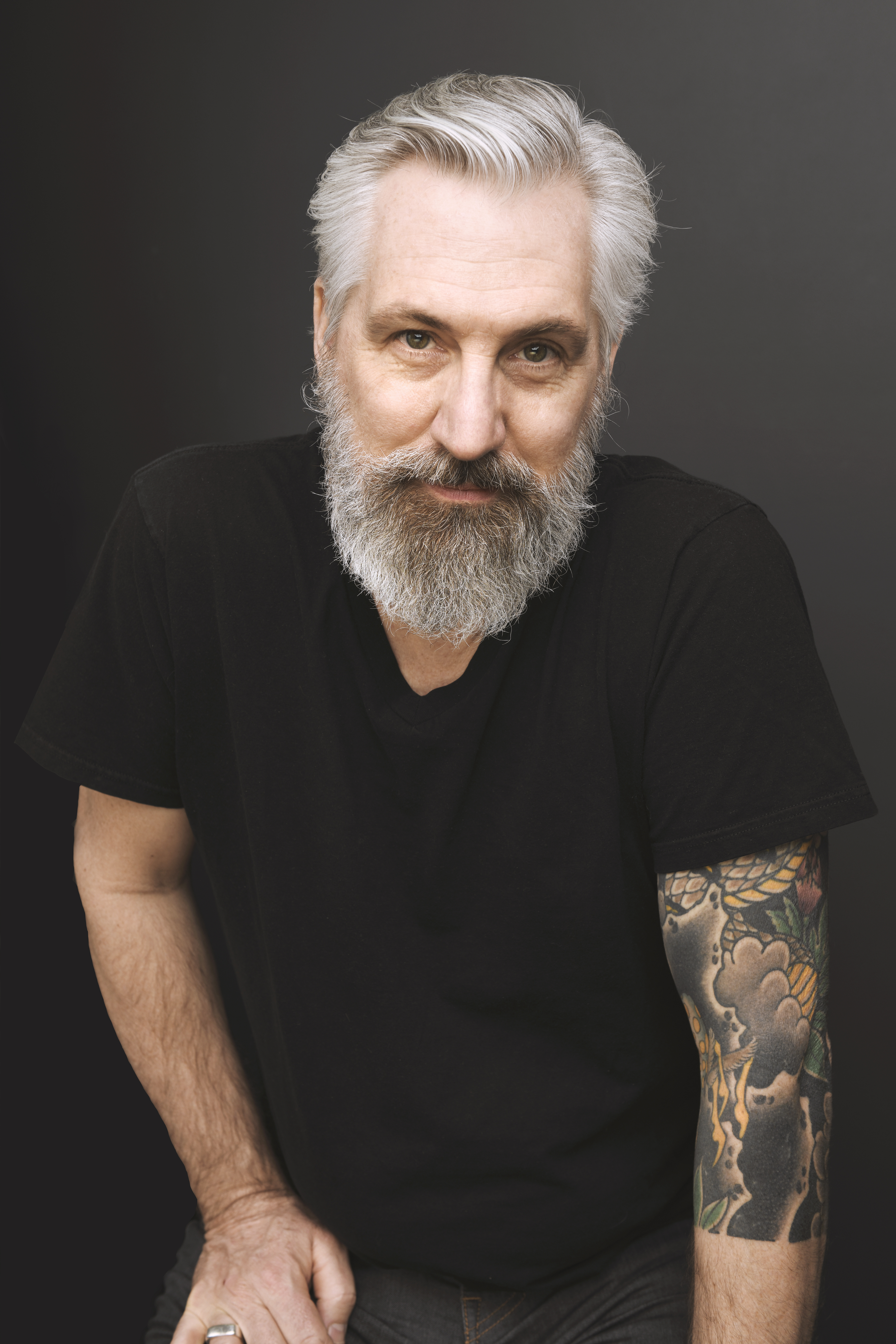
 Stephan wolfert, lcsw, msw, mfa